If you had asked me a decade ago where to spend an afternoon gallery hopping in Hong Kong, I would probably have said Central. Today, however, Wong Chuk Hang has firmly established itself as one of the city’s most exciting contemporary art districts.

Once an industrial neighbourhood of warehouses and factories, it has transformed into a vibrant creative hub where converted factory buildings now house galleries, artist studios, cafés, and design spaces.
What I particularly enjoy about Wong Chuk Hang is the experience itself. Gallery hopping here feels like a treasure hunt. You ride freight lifts, wander through industrial corridors, and suddenly find yourself inside beautifully curated white-cube spaces. The contrast between the rough exterior and polished exhibitions adds to the excitement.


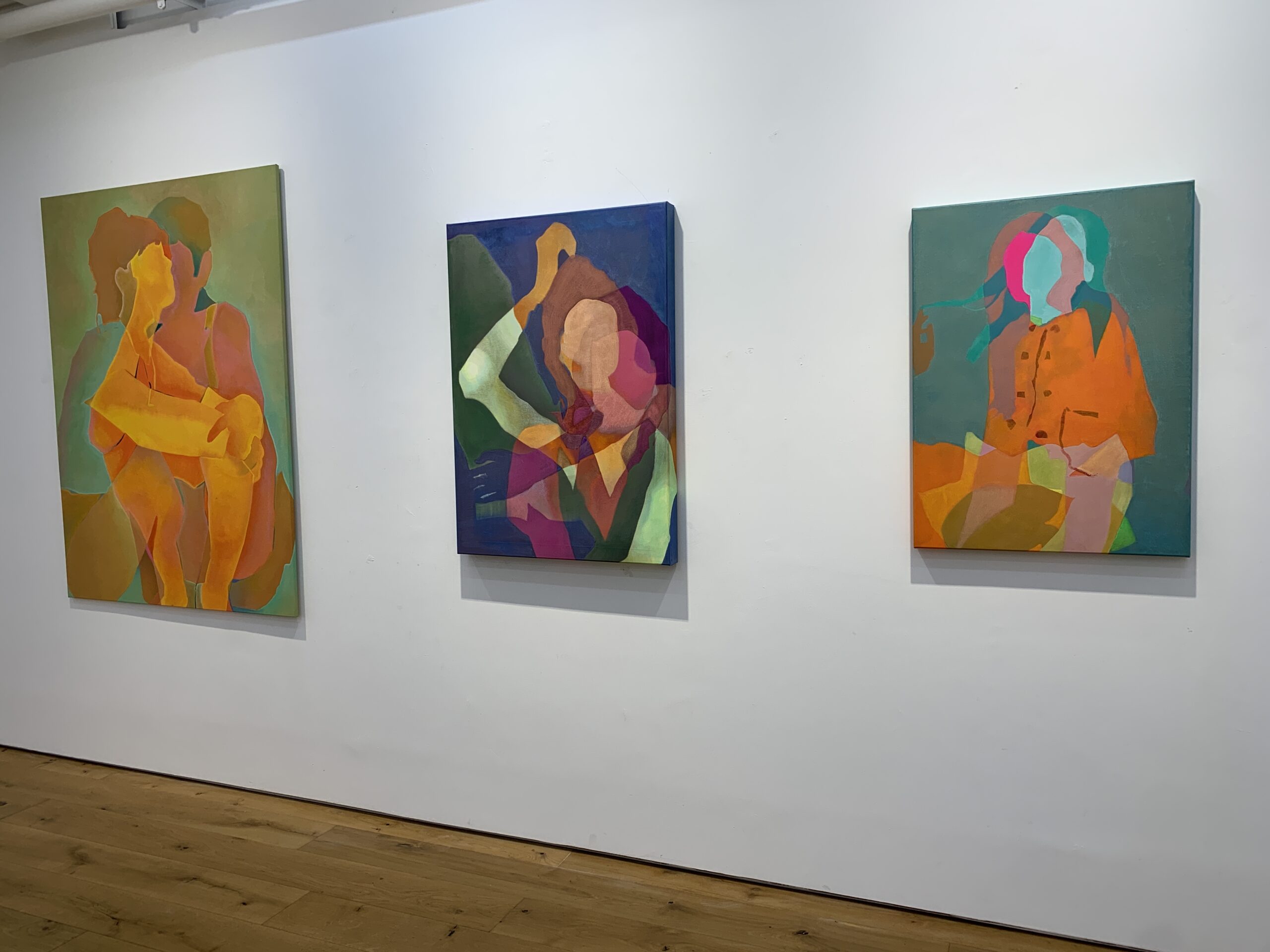
Our first stop was Rossi & Rossi, a gallery renowned for championing artists from the Himalayas, South Asia, and Southeast Asia. Rather than following mainstream trends, the gallery consistently introduces voices that challenge familiar narratives about Asian contemporary art. The exhibitions encourage viewers to think beyond geographical boundaries and consider culture, identity, and history from fresh perspectives.


Just a few floors away was Whitestone Gallery, whose programme often bridges Japanese post-war masters with contemporary Asian artists. I was struck by how carefully the works were installed, allowing each piece room to breathe. It was a reminder that good curation isn’t simply about displaying artwork—it creates conversations between artworks that visitors gradually discover as they move through the space.

We also visited Blindspot Gallery, a smaller gallery that offered an intimate viewing experience. The scale encouraged slower looking and closer observation, something I always encourage my students to practise. Not every exhibition needs monumental installations to leave a lasting impression; sometimes quieter works invite deeper engagement.


Our final stop was KWM Gallery and Axel Vervoordt Gallery located in the Coda Designer Centre, one of the buildings that has become home to several galleries and creative businesses. Like many of the spaces in Wong Chuk Hang, it reflects the neighbourhood’s evolution from manufacturing district to cultural destination. Walking through these converted industrial buildings, it becomes clear how architecture can shape the experience of art. High ceilings, exposed concrete, and expansive floor plans give artists the freedom to experiment with scale in ways that traditional commercial spaces often cannot.
As an art teacher, visits like these are always inspiring. They remind me that learning about art doesn’t only happen in classrooms or museums. Contemporary galleries offer opportunities to discuss curation, installation, visual storytelling, and the role of space itself. They also expose students—and teachers—to artists working with ideas that reflect today’s social, cultural, and environmental conversations.
The district has been evolving for well over a decade, but it continues to grow and attract new galleries. It has certainly become one of Hong Kong’s trendiest and most dynamic contemporary art destinations, and with regular gallery weekends such as #SouthsideSaturday.
I left Wong Chuk Hang with pages of notes, plenty of photographs, and even more ideas for classroom discussions. Sometimes the best professional development is simply spending an afternoon wandering through galleries with curious eyes.